1.8 Ton Trial Order Activated Alumina for Air Compressor
Time:2026-09-13
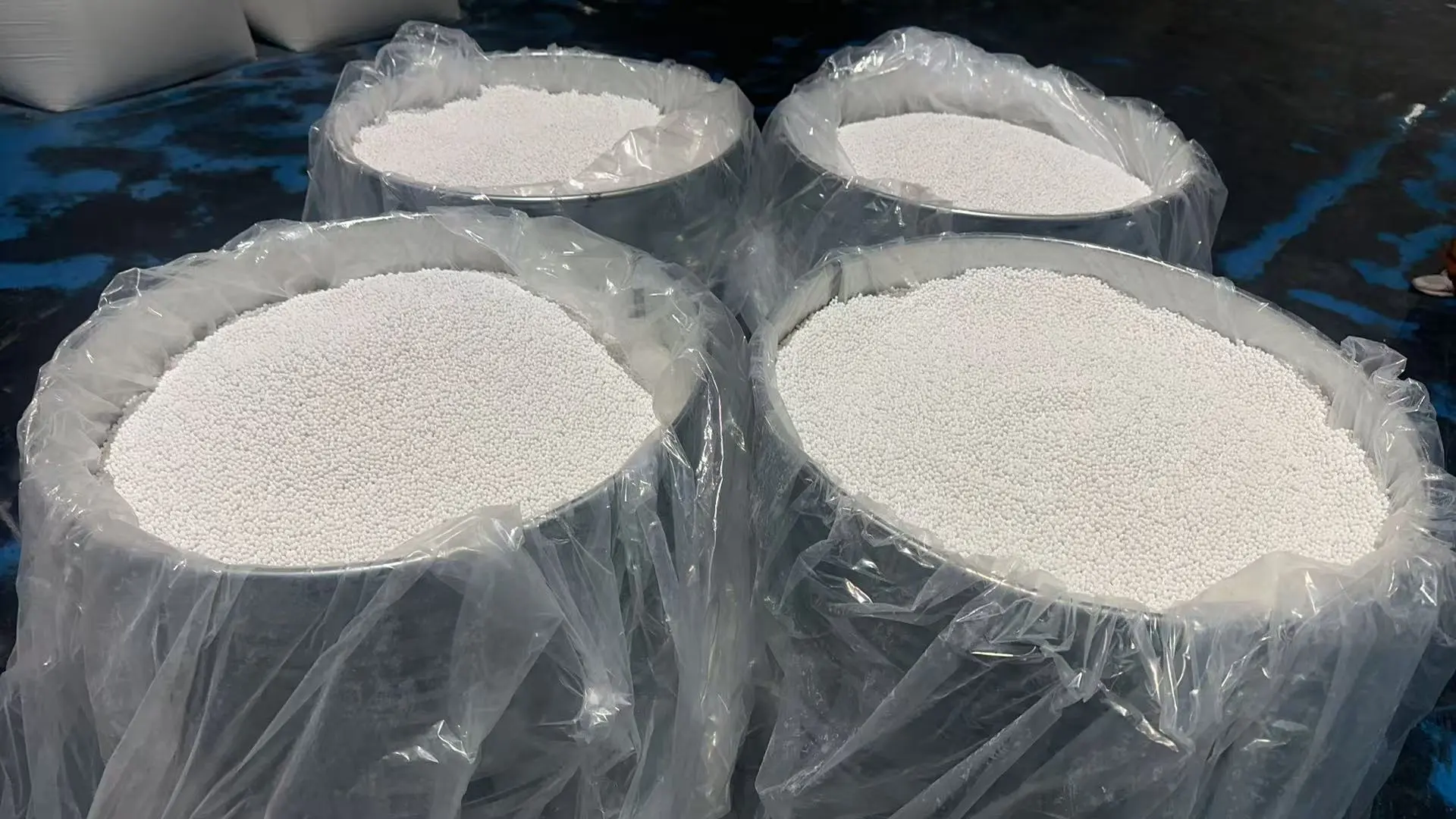
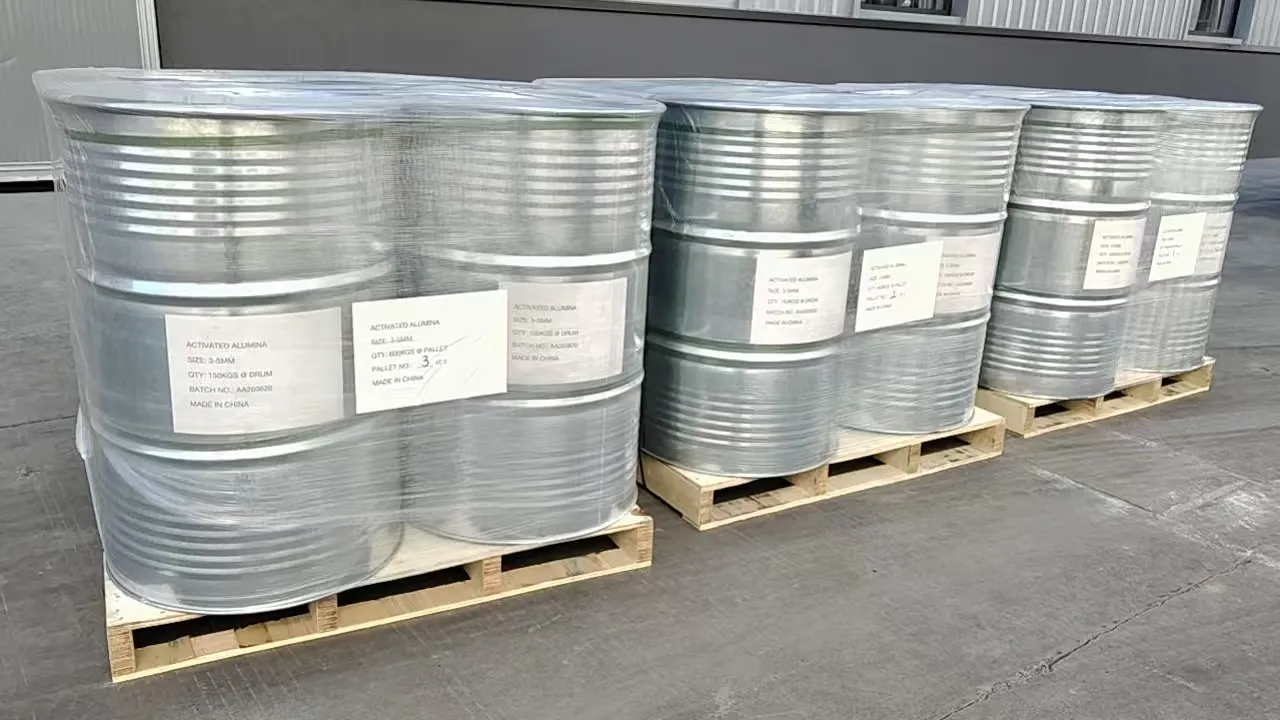
After three years of persistent follow-up, our oceania customer has finally taken the first step toward cooperation. A 1.8 ton trial order of activated alumina has been shipped and is waiting for to be tested in real operating conditions by end users. Looking back, these three years involved everything from initial product inquiries to repeated quotations, and technical discussions. There were moments when end customers preferred branded adsorbents, or had concerns about lead time, and progress stalled more than once. But it was our consistent follow-up and professional response that kept us on this customer's radar among so many activated alumina suppliers.
 |
 |
Why need activated alumina?
The customer is a compressor distributor, representing multiple air compressor brands, and is no stranger to desiccant materials. Over the past three years, they inquired about carbon molecular sieve and molecular sieve 4A, but the product they asked about most was activated alumina. The reason is simple — in compressed air drying systems, activated alumina is an indispensable base material.
The core function of activated alumina in air compressors is deep drying of compressed air.
Compressed air discharged from an air compressor contains a large amount of water vapor. If not treated, it directly causes pipeline corrosion, pneumatic component failure, and end-product contamination. Heatless desiccant air dryers and other adsorption dryers use the porous structure of activated alumina to capture water molecules through polar adsorption, typically stabilizing the dew point at around -40°C. For the vast majority of industrial air applications, this level of dryness is more than sufficient.
Activated alumina has established itself as the standard in the air compressor industry thanks to several hard metrics:
1)High crushing strength. Pressure fluctuations inside air compressor drying towers are frequent, and the desiccant repeatedly bears alternating loads. Activated alumina typically has a crushing strength of 150-200N per particle or higher, resisting breakdown — something molecular sieve struggles to match. For a distributor, end-customer issues with powdering or fracturing mean high after-sales costs. Strength is non-negotiable.
2) Resistance to liquid water. If the aftercooler or moisture separator upstream of the air compressor has poor drainage, trace amounts of liquid water entering the adsorption tower is a common scenario. Activated alumina tolerates liquid water far better than molecular sieve.
3) Low regeneration temperature, long service life. The regeneration temperature of activated alumina is much lower than that of molecular sieve, saving energy. Under normal operating conditions, service life reaches 2-5 years, offering a clear cost-performance advantage.
4) Stable adsorption efficiency. Activated alumina typically has a specific surface area above 300 m²/g, with concentrated pore size distribution and high, stable water adsorption capacity. Even under harsh conditions with high humidity and temperature fluctuations, it maintains stable drying performance — unlike molecular sieve, which can see adsorption capacity plummet when operating conditions fluctuate. For air compressors running 24 hours, stability is productivity.
5) Complementary to molecular sieve. Many high-end air compressor drying systems use a combined activated alumina and molecular sieve process: activated alumina handles the bulk of upfront water removal, while molecular sieve handles deep drying downstream. Since the customer represents multiple brands with diverse end-user needs, activated alumina is the product with the broadest coverage and strongest compatibility.
Price and Lead Time: Sincerity in the Details
This year, international ocean freight has remained high, and the customer's pressure on landed cost is obvious. Rather than passing on the cost, we kept all external costs flat while maintaining uncompromised quality — competitive pricing and no lead time delays.
The customer's decision to place a trial order is a response to that sincerity. 1.8 tons is not a large volume, but the feedback after market launch is the real starting point for long-term cooperation. We will continue to follow up on end-use performance and prove with data and service that these three years of waiting were worth it.
After three years of persistent follow-up, our oceania customer has finally taken the first step toward cooperation. A 1.8 ton trial order of activated alumina has been shipped and is waiting for to be tested in real operating conditions by end users. Looking back, these three years involved everything from initial product inquiries to repeated quotations, and technical discussions. There were moments when end customers preferred branded adsorbents, or had concerns about lead time, and progress stalled more than once. But it was our consistent follow-up and professional response that kept us on this customer's radar among so many activated alumina suppliers.
|
|
Why need activated alumina?
The customer is a compressor distributor, representing multiple air compressor brands, and is no stranger to desiccant materials. Over the past three years, they inquired about carbon molecular sieve and molecular sieve 4A, but the product they asked about most was activated alumina. The reason is simple — in compressed air drying systems, activated alumina is an indispensable base material.
The core function of activated alumina in air compressors is deep drying of compressed air.
Compressed air discharged from an air compressor contains a large amount of water vapor. If not treated, it directly causes pipeline corrosion, pneumatic component failure, and end-product contamination. Heatless desiccant air dryers and other adsorption dryers use the porous structure of activated alumina to capture water molecules through polar adsorption, typically stabilizing the dew point at around -40°C. For the vast majority of industrial air applications, this level of dryness is more than sufficient.
Activated alumina has established itself as the standard in the air compressor industry thanks to several hard metrics:
1)High crushing strength. Pressure fluctuations inside air compressor drying towers are frequent, and the desiccant repeatedly bears alternating loads. Activated alumina typically has a crushing strength of 150-200N per particle or higher, resisting breakdown — something molecular sieve struggles to match. For a distributor, end-customer issues with powdering or fracturing mean high after-sales costs. Strength is non-negotiable.
2) Resistance to liquid water. If the aftercooler or moisture separator upstream of the air compressor has poor drainage, trace amounts of liquid water entering the adsorption tower is a common scenario. Activated alumina tolerates liquid water far better than molecular sieve.
3) Low regeneration temperature, long service life. The regeneration temperature of activated alumina is much lower than that of molecular sieve, saving energy. Under normal operating conditions, service life reaches 2-5 years, offering a clear cost-performance advantage.
4) Stable adsorption efficiency. Activated alumina typically has a specific surface area above 300 m²/g, with concentrated pore size distribution and high, stable water adsorption capacity. Even under harsh conditions with high humidity and temperature fluctuations, it maintains stable drying performance — unlike molecular sieve, which can see adsorption capacity plummet when operating conditions fluctuate. For air compressors running 24 hours, stability is productivity.
5) Complementary to molecular sieve. Many high-end air compressor drying systems use a combined activated alumina and molecular sieve process: activated alumina handles the bulk of upfront water removal, while molecular sieve handles deep drying downstream. Since the customer represents multiple brands with diverse end-user needs, activated alumina is the product with the broadest coverage and strongest compatibility.
Price and Lead Time: Sincerity in the Details
This year, international ocean freight has remained high, and the customer's pressure on landed cost is obvious. Rather than passing on the cost, we kept all external costs flat while maintaining uncompromised quality — competitive pricing and no lead time delays.
The customer's decision to place a trial order is a response to that sincerity. 1.8 tons is not a large volume, but the feedback after market launch is the real starting point for long-term cooperation. We will continue to follow up on end-use performance and prove with data and service that these three years of waiting were worth it.
